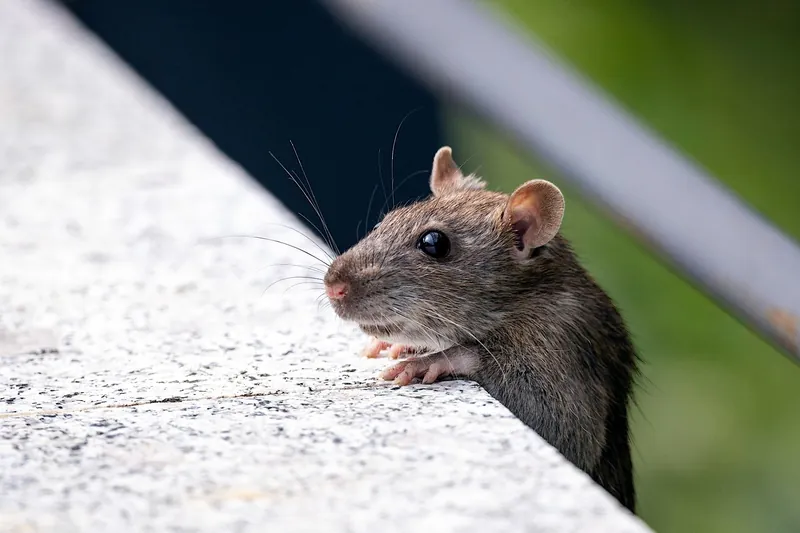
Rodent Droppings and Hantavirus Cleanup
Attics, basements and crawl spaces receive cleanup for rodent droppings and hantavirus.
See rodent droppings and hantavirus cleanupGet bird or bat droppings, soiled insulation, nesting debris and odor removed from an attic, roof space or building in Bricktown. Cleanup begins after wildlife exclusion is complete.
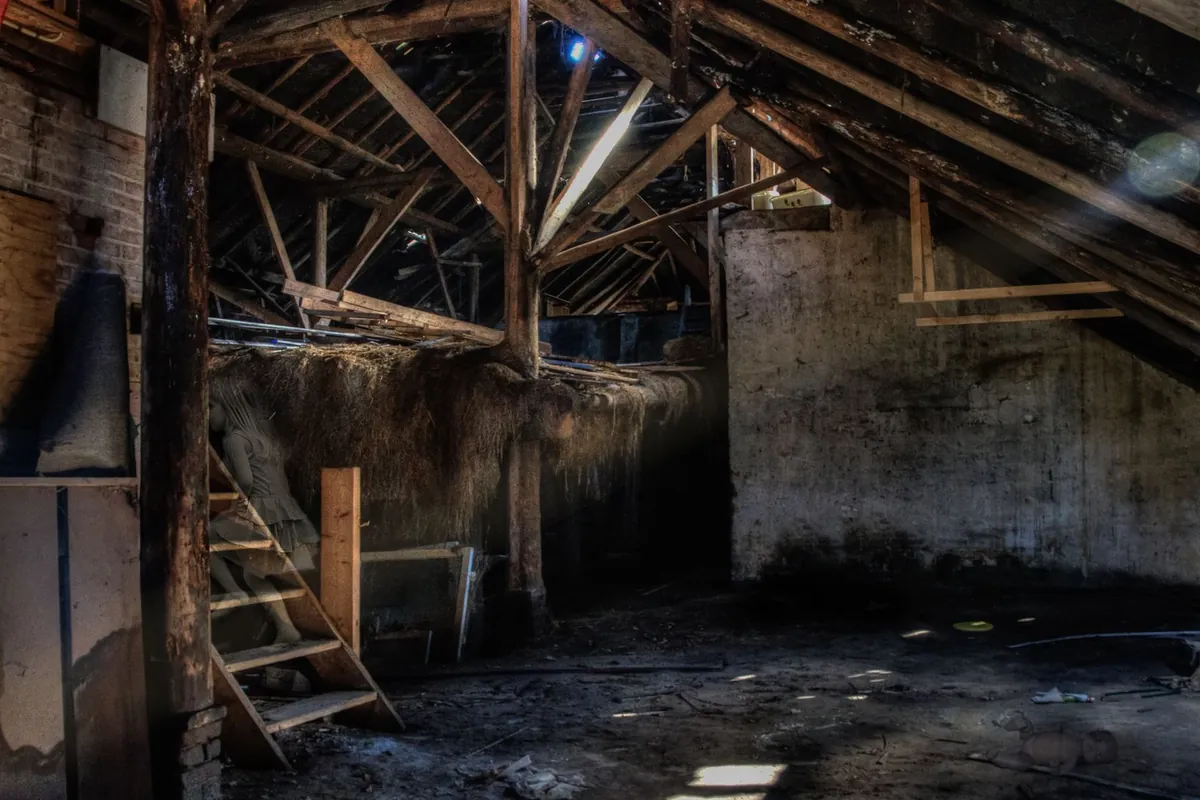
Bird and bat guano cleanup is the controlled removal of droppings, nesting debris, urine residue and contaminated insulation, followed by cleaning, disinfection where appropriate, odor treatment and waste disposal.
You may find buildup in a loft, attic, warehouse, barn, vent, wall void or roof space. Deposits beneath roosting areas can reach insulation and personal property in storage. During inspection, the affected boundaries and nearby paths for air are identified, along with what can be cleaned and what has to come out.
Household cleaning methods are not appropriate for guano biohazards. Dried material can become fine dust if you brush or shovel it, and an ordinary vacuum may spread those particles. The work uses containment and suitable personal protection, with HEPA-filtered collection methods that restrict movement of dust into other areas.
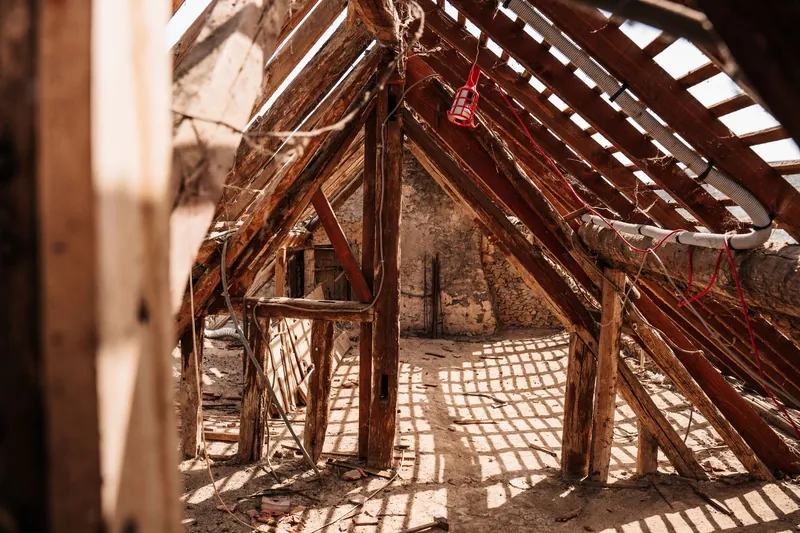
Clear job details, disposal records and before-and-after images can help you move forward with restoration or a claim. Unmarked vehicles may be requested when privacy matters.
Ask about barriers for the cleanup space, protection along the route and methods used to control the spread of dusty residue.
Affected personal property should be isolated, photographed and reviewed with you before disposal.
The right team describes the entire process clearly, identifies materials for cleaning or removal and explains the role of wildlife exclusion.
When deposits could become airborne, have reached insulation or cover more than one small solid surface, it is worth considering professional cleaning. Common cases include:
Near roof openings, bird debris may accumulate across equipment, ledges, decking and rafters.
Staging the cleanup can keep people clear when contamination affects signs, warehouse areas, loading spaces or mechanical equipment.
Waste builds below roosts, works into loose attic insulation and creates odor in nearby rooms below.
Affected insulation may require removal when broad or deep contamination cannot be reliably isolated from absorbent or loose material.
Leave the material undisturbed and restrict the affected space. Before assessment, take these steps to clarify the conditions and avoid tracking residue elsewhere:
Call (888) 440-9227For minor spots of guano, published guide figures fall between $500 and $1,200 for the cleaning work. Standard remediation ranges from $1,500 to $4,000. Restoration involving a full attic is shown at $4,500 to $9,000. For larger bat-dropping infestations, another published range is $600 to $8,500. Amount of waste, attic size, accessibility and insulation removal determine your cost.
The figures shown are national ranges from published cost guides and are not based on an on-site visit. The price for your property is set after the on-site assessment, and you hear it before work starts.
Ask about cost: (888) 440-9227Insurance may cover the cleanup depending on its cause, the specific policy and how long the issue was developing. Infestation, routine upkeep and animal activity can fall under exclusions. Ask the insurance company about coverage before work begins if the conditions allow.
Business tenants and building owners should examine their lease to identify duties for pest management, maintenance, roof entry and cleaning.
Create a file with damage notes, inspection pictures, the cleanup plan and all invoices. Confirm with the insurance company which documents it requires before materials are discarded or restoration begins.
Property owners usually arrange work that affects the building, attic or shared systems. Local regulations together with lease terms may determine responsibility for cleanup costs in a rental.
Ask whether the policy covers animal damage, contaminated insulation, cleanup services and related restoration. Policy coverage can vary between a sudden event and gradual waste buildup.
Remediation is completed in a controlled sequence. Planning for each stage reflects the access, how materials are affected, measures for dust and confirmation that wildlife exclusion has finished.
Cleanup technicians examine visible waste, insulation, beams, vents and belongings, then define the affected areas and a safe route inside.
Work begins after active animals are out. Before cleanup ends, animal access points and exclusion work are checked to reduce renewed contamination.
Occupied spaces are kept apart from the work area. Floor protection, sealed pathways and suitable protective equipment help keep residue in the affected area.
To control dust, suitable methods are used to collect droppings. HEPA-filtered machines collect tiny particles instead of releasing them again as a household vacuum may.
Deeply affected insulation and other absorbent materials are placed in bags and removed instead of receiving surface treatment alone. Clean materials beyond the affected zone may remain in place.
Hard, uncovered materials are cleaned first, then treated with a suitable EPA-registered disinfectant according to the full contact time on its label.
Remaining residue is checked at beams, joints and cavities. Without masking smells with fragrance, HEPA filtration plus source-focused odor removal may improve air quality.
Cleanup ends with an inspection, photos and an explanation to the property owner of any required insulation or restoration services.
Call any hour. Your bird and bat guano cleanup specialist answers the phone, describes what happens next and works with you on a start time.
Disturbing a large accumulation can put contaminants into the air. Dryness, poor airflow and an enclosed setting can increase the inhalation and contamination concerns.
Urine, nesting debris and waste can penetrate loose, fibrous insulation beyond what you can see. Surface-only cleaning may leave contaminated materials and lingering odor.
Sweeping or removing dried waste can break it into airborne dust. Soil and other matter enriched by bat or bird waste may support fungal growth, and disruption can make spores airborne.
Heavy airborne dust joins unstable roof decking, exposed nails and tight clearance as risks to breathing and physical safety. Suitable protective gear and the controlled cleaning process are equally important to choosing the cleaning product.
When a small blood spill is safe to clean yourself. A single recent dropping on an intact, non-porous surface may be picked up with disposable gloves and damp towels, without sweeping, then cleaned with a product suitable for that surface. Large accumulations, contaminated insulation, strong odor, poor access or residue near air systems call for professional cleanup.
An inspection must come before setting the schedule, since a spot on a surface, attic contamination and unfinished wildlife exclusion each require a different scope. Access limitations, dust measures, insulation removal, odors and restoration needs also change the timing.
| Scene | Typical time on site |
|---|---|
| Limited affected surface that is easy to reach | May require a single planned cleanup appointment once inspected |
| Attic with deposits across insulation | Requires enough time to isolate, remove and clean the area before final inspection |
| Major accumulation combined with restoration or exclusion work | Often completed in stages coordinated with wildlife and repair work |
Treating odor starts by eliminating what causes it. Nest material, droppings and heavily affected insulation need removal before lasting surface treatment is possible. Scent products cannot clean contamination inside porous materials, crevices or concealed parts of an attic.
Once removal is complete, cleanable beams and surfaces receive treatment. HEPA air filtration may help capture dust created by the work. Vents, wall gaps and attic access points also need inspection because they may carry particles or odor toward occupied rooms. Fix active roof leaks or other moisture sources to keep the cleaned space dry.
The legal way to exclude active wildlife may vary by species, season and applicable rules. Begin cleaning only after verifying that no animals remain and every required exclusion step has finished.
Use an EPA-registered disinfectant made for the affected surface and follow its label for the complete wet contact time.
Oklahoma treats soaked materials from a biohazard scene as regulated medical waste. Rules from the Department of Environmental Quality's Land Protection Division control how it is processed and treated, so it cannot go in household trash. Local rules for bagged waste, affected insulation and nesting material also need confirmation during cleanup planning.
Oklahoma uses a statewide medical examiner system, with the Office of the Chief Medical Examiner investigating sudden, violent, unexpected and suspicious deaths. Cleanup starts after police or the medical examiner release the scene. Before guano cleanup, contact local wildlife, health or building offices to identify separate rules for disposal, animal activity or site access.
An inspection must come before setting the schedule, since a spot on a surface, attic contamination and unfinished wildlife exclusion each require a different scope. Access limitations, dust measures, insulation removal, odors and restoration needs also change the timing.
The full bird and bat guano cleanup guide covers what is cleaned or removed, odor and air quality work, and the rules that apply in your state.
Read the full bird and bat guano cleanup guide
Local housing, population and access details can shape containment, access and cleanup planning.
For an injury during discovery, O U Medical Center is the nearest listed hospital at approximately 1.0 miles from the area.
Local records list O U Medical Center nearest at 1.0 miles and also name Oklahoma City Va Medical Center, giving two references after an exposure.
With Midtown Oklahoma City, Classens Highland Parked, and Classens West Highland Parked close by, accurate street and unit details help avoid confusion during a sensitive response.
Properties within this Oklahoma City neighborhood may share alleys, entries, or parking, so equipment movement should be planned around nearby residents.
You can ask about cleanup in nearby communities and ZIP codes during the call.
Attics, basements and crawl spaces receive cleanup for rodent droppings and hantavirus.
See rodent droppings and hantavirus cleanup
Dead animals are removed from vents, walls and crawl spaces, followed by odor cleanup.
See dead animal removal and cleanup
Urine-saturated materials, ammonia odor and waste are addressed through animal hoarding cleanup.
See animal hoarding cleanup
Removal and disinfection of blood, body fluids and other infectious material from any property.
See biohazard cleanup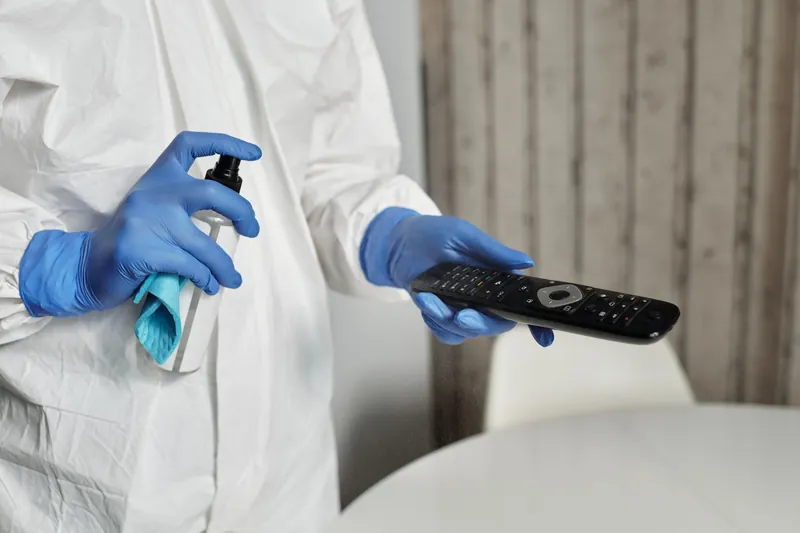
Contamination is cleared through biological remediation, returning the space to safe use.
See biohazard remediation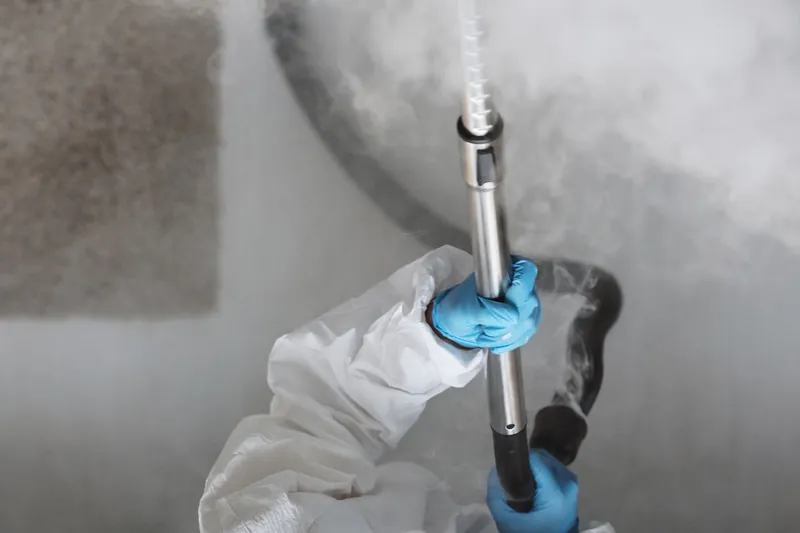
Disinfection for infectious disease uses EPA-registered products with complete coverage of surfaces.
See infectious disease disinfection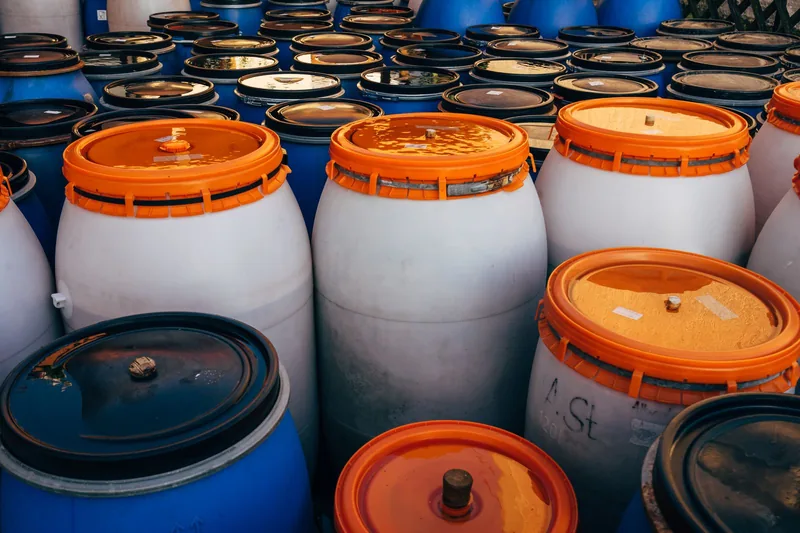
Hazmat cleanup of hazardous materials with the right protective equipment.
See hazmat cleanup
Commercial and industrial sites receive biohazard cleanup with minimal downtime.
See commercial and industrial biohazard cleanupRemoving the original deposits, nest debris and insulation affected by urine should reduce the smell. The next step treats materials that can be cleaned and examines hidden cavities or joints for residue left behind. A roof leak, moisture problem or continuing animal entry must also be corrected or the odor can return.
Not necessarily. The location and depth of contamination, along with whether clean insulation can be isolated, determine what needs removal. Deeply or broadly contaminated materials may require disposal. Sections outside the affected areas can remain when they are shielded from the work.
Cost guides place minor spot work at $500 to $1,200, standard cleanup at $1,500 to $4,000 and a full attic restoration at $4,500 to $9,000. Your amount depends on the depth of droppings, attic size, access, insulation removal and odor treatment. You need an inspection before the scope is clear.
The work area is separated from occupied space, and the access route is protected. Cleanup technicians rely on controlled collection and proper protective gear, adding HEPA-filtered tools when conditions require them. They avoid ordinary vacuuming and dry sweeping, remove affected porous material, then clean solid surfaces before applying a suitable disinfectant.
Cleanup and wildlife exclusion are separate kinds of work, although they may be coordinated. Determine who is responsible for inspecting entry areas and verifying an empty structure. The cleanup should begin after lawful exclusion is complete, and repairs should prevent new deposits without trapping birds or bats inside.
Insurance treatment differs according to the policy and reason. Some policies exclude infestation, animal activity or damage that developed over time. Check with your insurance company about repair and cleanup costs, including insulation, while confirming its photo and document requirements. Do not assume the work is covered until the insurer confirms your policy terms.
Respectful, discreet bird and bat guano cleanup is available 24 hours a day, and crews arrive in unmarked vehicles.